How to Start a Makeup Artist Business
3 min read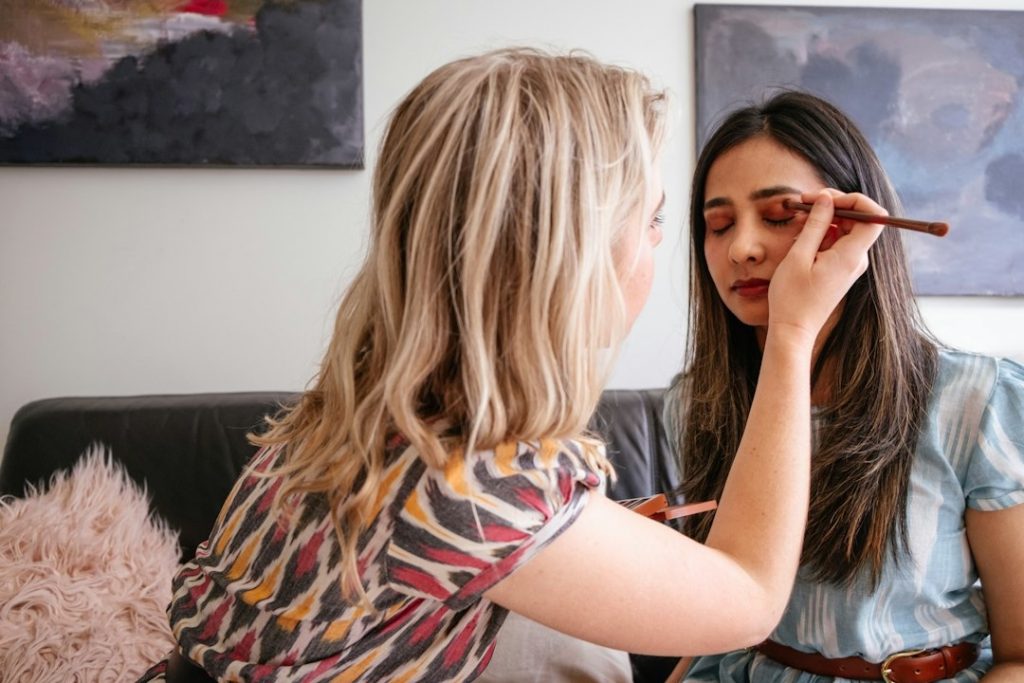
Contents:
- Overview of End Result
- What You’ll Need
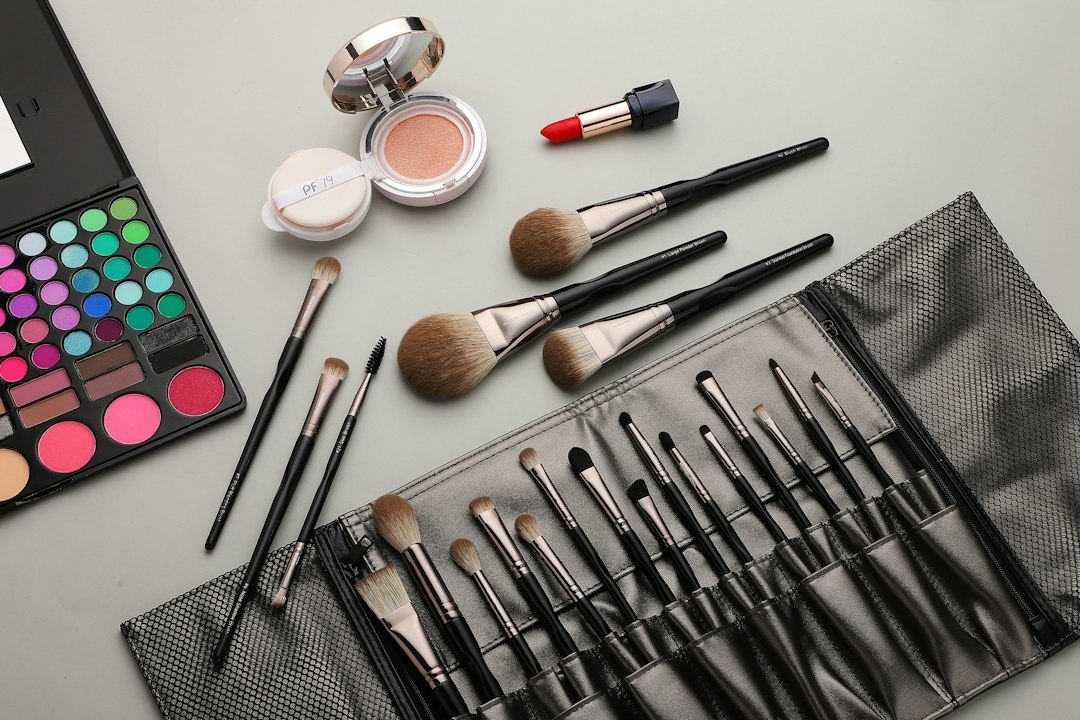
- Step 1: Build a Professional Kit
- Step 2: Create a Portfolio
- Step 3: Set Pricing Based on Occasion
- Step 4: Market Through Visual Platforms
- Common Mistakes to Avoid
- Include a Comparison
- Freelance Versus Salon-Employed Makeup Artists
- Continuing Education and Skill Growth
- Building a Referral Network
- Managing Product Inventory Costs
- FAQ
- Do makeup artists need a license?
- How much does professional liability insurance cost?
- How many clients does a full-time makeup artist need monthly?
- Next Steps
- Expanding Into Specialized Services
- Managing Seasonal Demand Fluctuations
Wedding season transforms a talented hobbyist’s weekend brush kit into a legitimate, fully booked professional makeup artistry business overnight.
Overview of End Result
By the end of this process, you’ll have a professional kit, pricing structure, and marketing presence ready to book paying makeup clients.
What You’ll Need
A professional-grade makeup kit costing $1,500-$4,000, liability insurance, a portfolio of work, and a simple booking and payment system.
Step 1: Build a Professional Kit
Invest in versatile, high-quality products suitable for diverse skin tones and types, prioritizing foundation and concealer ranges over trendy specialty items.
Step 2: Create a Portfolio
Offer discounted or free sessions to friends initially, photographing results professionally to build a portfolio that attracts paying clients.
Step 3: Set Pricing Based on Occasion
Bridal makeup commands premium pricing, often $150-$400, while everyday or special event makeup typically ranges from $60-$150 per session.
Step 4: Market Through Visual Platforms
Instagram and TikTok, showcasing transformation videos and before-and-after photos, drive most new client discovery for makeup artists today.
Common Mistakes to Avoid
Underpricing bridal packages, which require significant prep time and travel, leaves many new artists working excessive hours for inadequate pay.
Include a Comparison
Freelance Versus Salon-Employed Makeup Artists
Freelancing offers higher earning potential and flexibility, while salon employment provides steadier client flow without needing to market independently.
Continuing Education and Skill Growth
Attending industry workshops and following current trends keeps a makeup artist’s techniques fresh, supporting premium pricing over time.
Building a Referral Network
Partnering with local photographers, hair stylists, and event planners creates a reliable referral pipeline beyond direct client marketing efforts.
Managing Product Inventory Costs
Buying versatile, multi-use products in bulk reduces per-application costs significantly compared to purchasing single-use items repeatedly.
FAQ
Do makeup artists need a license?
Requirements vary by state; some states require cosmetology licensing for makeup application, while others have no specific licensing requirement.
How much does professional liability insurance cost?
Makeup artist liability insurance typically costs $200-$400 annually, protecting against allergic reaction claims or accidental product damage.
How many clients does a full-time makeup artist need monthly?
Roughly 15-25 bookings monthly at average pricing typically generates a sustainable full-time income for most independent makeup artists.
Next Steps
Once bookings become steady, consider raising prices gradually and investing in continuing education to stay current with evolving techniques and trends.
Expanding Into Specialized Services
Adding special effects makeup, airbrush techniques, or editorial styling later diversifies income and attracts a broader range of paying clients.
Managing Seasonal Demand Fluctuations
Wedding season typically peaks in spring and fall, so building holiday party and special event bookings helps smooth income during slower months.