How to Start a Nail Business: Salon Suite or Mobile Tech?
3 min read
Contents:
- Brief Intro
- Preparation
- Step 1: Compare Salon Suite Versus Mobile Costs
- Step 2: Purchase Essential Equipment
- Step 3: Set Competitive, Sustainable Pricing
- Step 4: Build a Booking and Marketing System
- A Personal Example
- An Expert Quote
- Include a Comparison
- Salon Suite Versus Mobile: Key Tradeoffs
- Handling Slow Periods Financially
- Continuing Education and Certifications
- FAQ
- Do I need separate business insurance for a nail business?
- How much can a nail technician realistically earn?
- Is a mobile nail business legal everywhere?
- Managing Sanitation and Compliance
- Building Repeat Client Relationships
The soft hum of a nail file and the sharp scent of acetone fill a tiny rented suite, where a solo technician quietly builds an entire business.
Brief Intro
Choosing between a rented salon suite and a mobile setup shapes everything from startup costs to daily schedule flexibility for new technicians.
Preparation
Obtain your state cosmetology or nail technician license first, since operating without proper licensing risks significant fines regardless of business model chosen.
Step 1: Compare Salon Suite Versus Mobile Costs
Salon suites typically rent for $200-$600 monthly, while mobile setups require a reliable vehicle and portable equipment costing $1,500-$3,000 upfront.
Step 2: Purchase Essential Equipment
A quality nail table, UV lamp, sanitation supplies, and a curated polish collection form the core equipment needed regardless of business model.
Step 3: Set Competitive, Sustainable Pricing
Research local competitor pricing, then price services to cover product costs, rent or travel time, and genuinely fair hourly compensation.
Step 4: Build a Booking and Marketing System
Instagram before-and-after photos combined with an online booking tool like Vagaro or Fresha helps new technicians fill their schedule efficiently.
A Personal Example
A technician started mobile, working from clients’ homes, then transitioned to a salon suite after eighteen months once demand justified fixed overhead.
An Expert Quote
“Mobile work builds a loyal client base fast,” says salon business coach Denise Park. “But suites offer the consistency many technicians eventually want.”
Include a Comparison
Salon Suite Versus Mobile: Key Tradeoffs
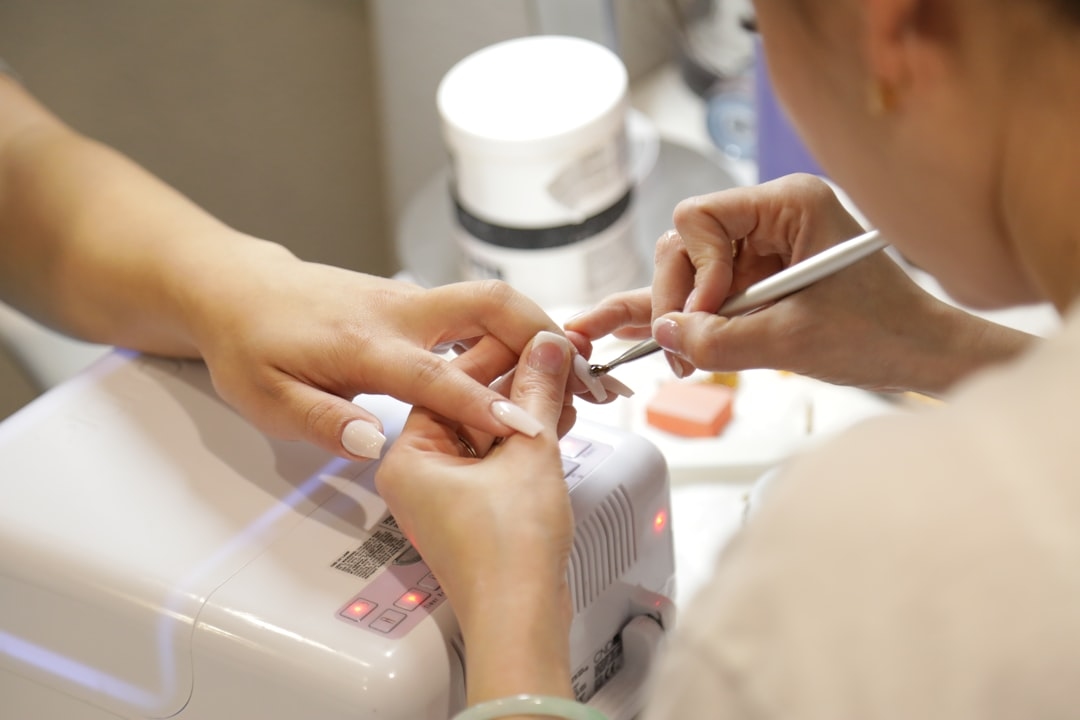
Suites offer consistent branding and walk-in potential, while mobile setups eliminate rent entirely but require significant travel time between appointments.
Handling Slow Periods Financially
Building a small cash reserve during busy months helps technicians weather naturally slower periods without financial stress or rushed discounting.
Continuing Education and Certifications
Advanced technique courses, like acrylic sculpting or gel extensions, let technicians charge premium prices for specialized, harder-to-find services.
FAQ
Do I need separate business insurance for a nail business?
Yes, general liability insurance protects against client injury claims, a genuine risk given the chemicals and tools involved in nail services.
How much can a nail technician realistically earn?
Experienced technicians in suites often earn $50,000-$80,000 annually, while mobile technicians’ income varies more based on travel efficiency.
Is a mobile nail business legal everywhere?
Most states allow mobile nail services with proper licensing, though a few require additional mobile business permits, so check local regulations first.
Managing Sanitation and Compliance
Strict sanitation protocols between clients, following state board requirements, protect both client safety and your business’s professional reputation.
Building Repeat Client Relationships
Offering loyalty punch cards or rebooking discounts encourages clients to schedule their next appointment before leaving the current one.