How to Start a Perfume Business for Beginners
3 min read
Contents:
- Overview of End Result
- What You’ll Need
- Step 1: Learn Basic Perfume Formulation
- Step 2: Source Quality Ingredients
- Step 3: Test and Refine Formulas
- Step 4: Handle Labeling and Compliance
- Common Mistakes to Avoid
- Include a Comparison
- Perfume Oil Versus Eau de Parfum
- What the Pros Know
- An Insider Tip
- Selling Through Multiple Channels
- Protecting Your Formulas Legally
- Working With a Contract Manufacturer Later
- FAQ
- How much does it cost to start a small perfume business?
- Do I need FDA approval to sell perfume?
- Can I sell perfume made at home?
- Packaging and Branding Considerations
- Scaling Production Responsibly
Ancient Egyptian perfumers guarded their fragrance formulas as closely as modern founders protect their signature scent recipes today.
Overview of End Result
By the end of this guide, you’ll understand how to formulate, source, and legally sell your own perfume products to paying customers.
What You’ll Need
Quality fragrance oils, appropriate bottles, a stable carrier base, and knowledge of FDA cosmetic labeling requirements before selling anything commercially.
Step 1: Learn Basic Perfume Formulation
Understanding top, middle, and base notes helps beginners create balanced, longer-lasting scents rather than fragrances that fade within minutes.
Step 2: Source Quality Ingredients
Reputable fragrance oil suppliers and a reliable carrier like fractionated coconut oil or perfumer’s alcohol form the foundation of consistent products.
Step 3: Test and Refine Formulas
Test formulas on multiple skin types over several days, since fragrance interacts differently with individual body chemistry and skin oils.
Step 4: Handle Labeling and Compliance
FDA cosmetic labeling rules require accurate ingredient lists; researching compliance early avoids costly relabeling or regulatory issues later.
Common Mistakes to Avoid
Skipping proper stability testing often leads to formulas that separate or fade unexpectedly after a few weeks on store shelves.
Include a Comparison
Perfume Oil Versus Eau de Parfum
Perfume oils are simpler and cheaper to produce for beginners, while alcohol-based eau de parfum requires more technical formulation knowledge upfront.
What the Pros Know
An Insider Tip
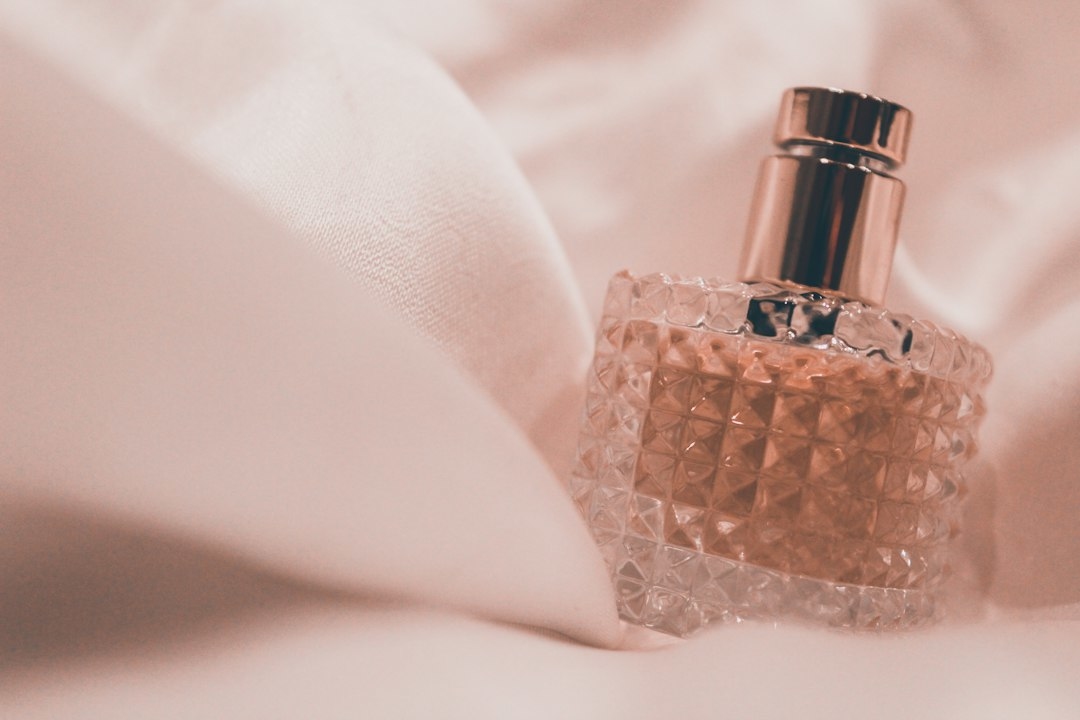
Experienced perfumers recommend letting new formulas rest for two to four weeks before final evaluation, as scents evolve during this maceration period.
Selling Through Multiple Channels
Combining a personal website, local boutique consignment, and craft fair sales diversifies revenue while building broader brand recognition over time.
Protecting Your Formulas Legally
Trade secret protection, rather than patents, typically safeguards fragrance formulas, since exact scent recipes are difficult to patent effectively.
Working With a Contract Manufacturer Later
Once demand grows beyond hand-mixing capacity, partnering with a contract manufacturer maintains consistency while freeing time for other tasks.
FAQ
How much does it cost to start a small perfume business?
Initial costs typically range from $500-$2,000, covering ingredients, bottles, testing supplies, and basic packaging for a small first batch.
Do I need FDA approval to sell perfume?
Cosmetics don’t require pre-market FDA approval, but accurate labeling and safety substantiation remain legally required for compliant products.
Can I sell perfume made at home?
Yes, many states allow home-based cosmetic production, though checking specific state cottage food and cosmetic regulations first is essential.
Packaging and Branding Considerations
Distinctive bottle design and cohesive branding significantly influence perceived value, often more than the fragrance formula itself for new customers.
Scaling Production Responsibly
Moving from small hand-mixed batches to larger production runs requires consistent quality control to maintain scent accuracy across every batch.