How to Start an Etsy Business: Shop Setup, SEO, and Fees
3 min read
Contents:
- Brief Intro
- Preparation
- Step 1: Set Up Your Shop
- Step 2: Optimize Listings for Etsy SEO
- Step 3: Price for Profitability
- Step 4: Build Reviews and Reputation
- An Expert Quote
- Include a Comparison
- Etsy Versus Your Own Website
- Pro Tips
- What the Pros Know
- Handling Shipping and Fulfillment
- Handling Customer Service Professionally
- Planning for Holiday Demand
- FAQ
- How much does it cost to start an Etsy shop?
- How long does it take to make sales on Etsy?
- Can I sell non-handmade items on Etsy?
- Managing Etsy Shop Finances
- Scaling Beyond a Single Product Line
Handmade marketplaces existed long before the internet, but Etsy transformed a local craft fair into a searchable, always-open global storefront for makers.
Brief Intro
Starting an Etsy shop costs very little upfront, making it one of the most accessible ways for budget-conscious makers to begin selling.
Preparation
Prepare high-quality product photos, clear pricing that accounts for fees, and a defined niche before opening your shop to potential buyers.
Step 1: Set Up Your Shop
Registering costs a $15 one-time fee, plus a $0.20 listing fee per item, refreshed automatically every four months until sold or renewed.
Step 2: Optimize Listings for Etsy SEO
Use all 13 available tags and weave relevant keywords naturally into titles and descriptions, since Etsy’s search algorithm relies heavily on this data.
Step 3: Price for Profitability
Factor in the 6.5% transaction fee, payment processing fees around 3%, and listing costs when setting prices to protect your actual margin.
Step 4: Build Reviews and Reputation
Encourage early customers to leave reviews, since Etsy’s search ranking and buyer trust both depend heavily on accumulated positive feedback.
An Expert Quote
“Photos make or break an Etsy listing,” says handmade goods consultant Maria Ochoa. “Sellers who invest in good lighting see conversion rates double.”
Include a Comparison
Etsy Versus Your Own Website
Etsy offers built-in traffic and buyer trust, while an independent website provides full control over branding but requires driving your own traffic.
Pro Tips
What the Pros Know
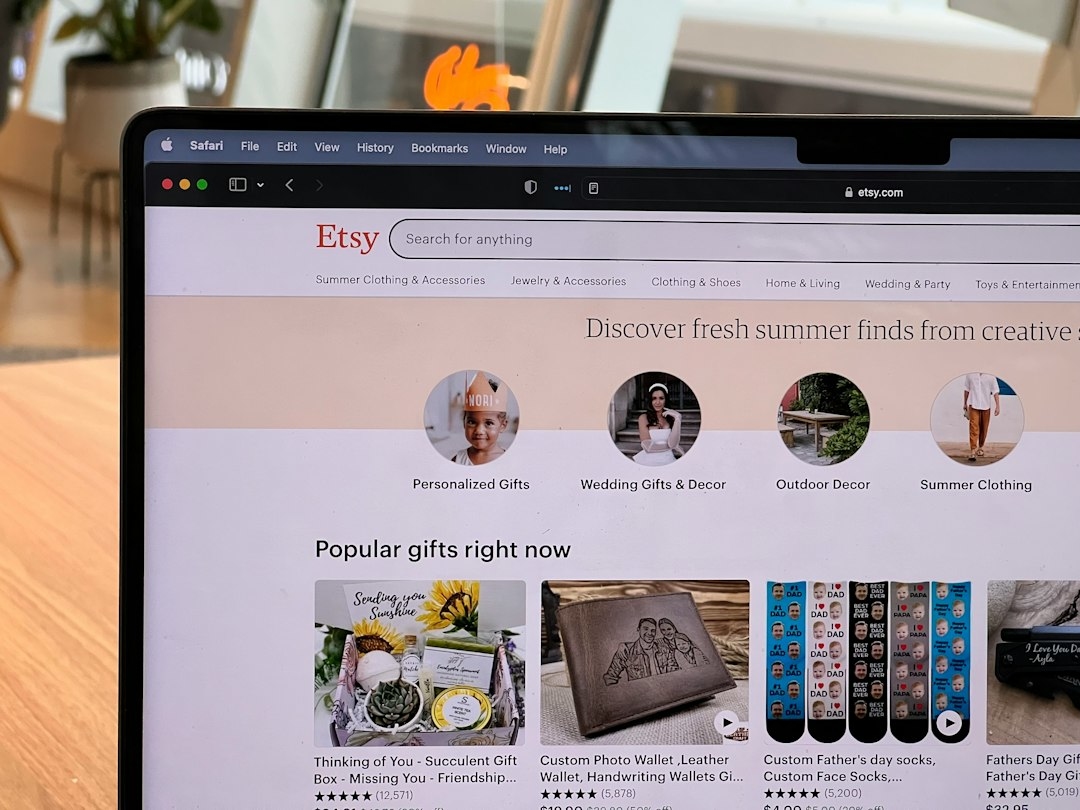
Successful sellers often list new products on Fridays, when Etsy’s algorithm and buyer browsing activity both tend to favor fresh listings most.
Handling Shipping and Fulfillment
Using Etsy’s built-in shipping label discounts and clear processing time expectations helps new sellers avoid negative reviews over shipping delays.
Handling Customer Service Professionally
Responding quickly and courteously to buyer messages, even about simple questions, strongly influences both reviews and Etsy’s internal seller ranking.
Planning for Holiday Demand
Listing seasonal products well before December and ensuring adequate inventory prevents missing out on the platform’s highest-traffic shopping period.
FAQ
How much does it cost to start an Etsy shop?
Initial costs are minimal, typically under $50 for registration and initial listings, though product materials add to overall startup costs.
How long does it take to make sales on Etsy?
Many new shops see their first sale within the first month, though building consistent sales volume often takes three to six months.
Can I sell non-handmade items on Etsy?
Etsy also permits vintage items and craft supplies, though the platform’s core identity and algorithm still favor genuinely handmade goods.
Managing Etsy Shop Finances
Setting aside a percentage of every sale for fees and taxes from the start prevents unpleasant surprises when quarterly tax payments come due.
Scaling Beyond a Single Product Line
Successful sellers often expand into complementary product variations once their first design proves popular, rather than launching entirely unrelated items.