How to Start a Tree Service Business
3 min read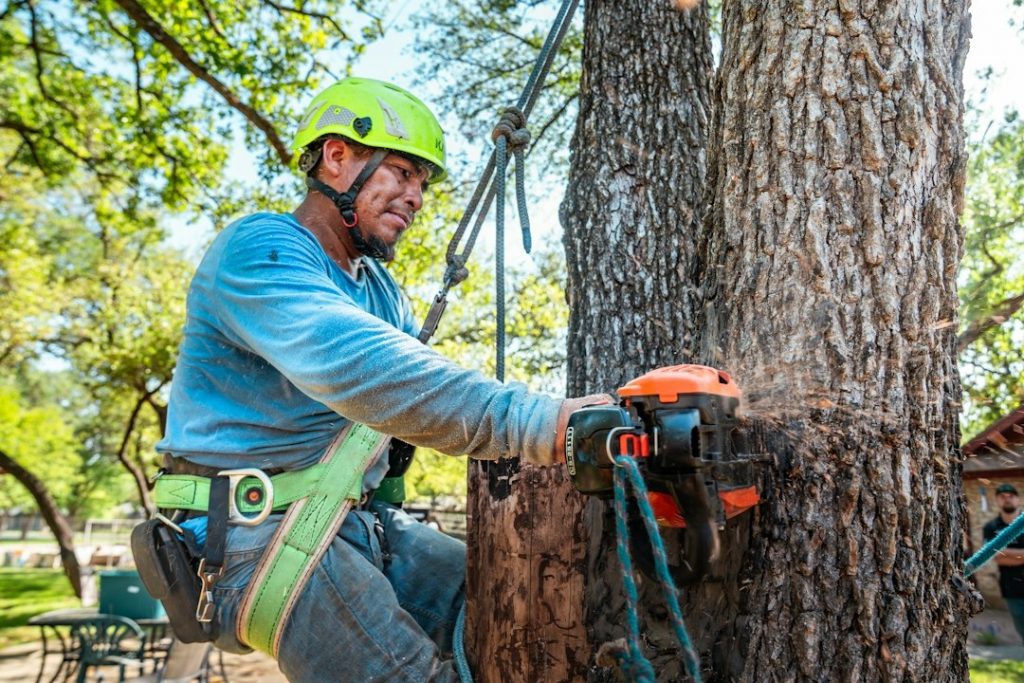
Contents:
- Overview of End Result
- What You’ll Need
- Step 1: Get Certified and Insured
- Step 2: Invest in Core Equipment
- Step 3: Understand Regional Demand Patterns
- Step 4: Market to Homeowners and Property Managers
- Include a Seasonal Timeline
- Include a Sustainability or Eco-Friendly Angle
- Common Mistakes to Avoid
- Handling Storm-Related Emergency Calls
- Investing in Reliable Equipment Maintenance
- Hiring Your First Crew Member
- FAQ
- Do I need a license to start a tree service business?
- How much does tree service insurance cost?
- Is tree service work seasonal?
- Building Commercial Contracts
- Investing in Ongoing Safety Training
One dangerous storm season can generate more tree removal demand than an entire quiet year, if a business is genuinely ready for it.
Overview of End Result
By the end of this process, you’ll have equipment, certification, and insurance needed to legally operate a tree service business.
What You’ll Need
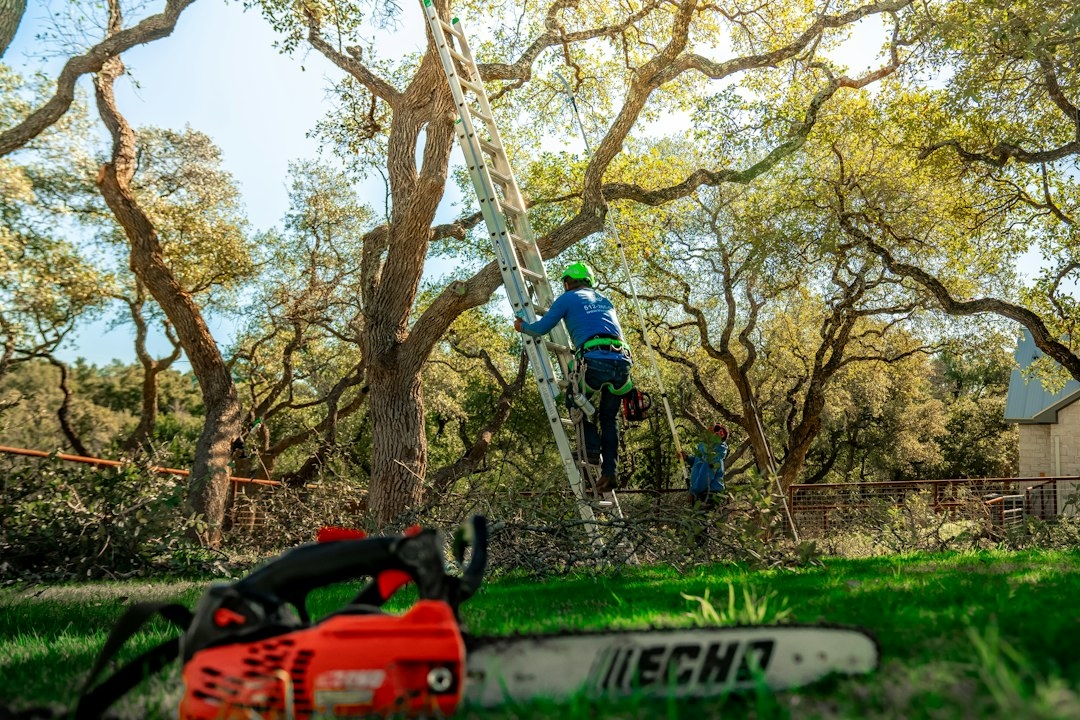
Chainsaws, safety gear, a reliable truck and trailer, arborist certification where required, and liability insurance covering property damage risks.
Step 1: Get Certified and Insured
ISA Certified Arborist credentials, while not always legally required, build significant client trust and often justify premium pricing for services.
Step 2: Invest in Core Equipment
A basic setup including chainsaws, a chipper, and safety gear costs $10,000-$30,000, with used equipment reducing costs substantially for new businesses.
Step 3: Understand Regional Demand Patterns
Reference a regional difference: Northeast businesses see storm-driven emergency demand, while Southern regions face more consistent year-round pruning and removal needs.
Step 4: Market to Homeowners and Property Managers
Building relationships with local property management companies provides steadier contract work alongside unpredictable emergency residential calls.
Include a Seasonal Timeline
Storm season and post-storm cleanup, typically spring through fall in many regions, generates the highest volume of urgent, premium-priced work.
Include a Sustainability or Eco-Friendly Angle
Offering wood chip recycling and replanting services alongside removal appeals to increasingly environmentally conscious residential and commercial clients.
Common Mistakes to Avoid
Operating without adequate liability insurance is especially risky in this industry, given the genuine potential for serious property damage or injury.
Handling Storm-Related Emergency Calls
Establishing an on-call rotation and clear emergency pricing structure before storm season prevents chaotic scheduling once demand suddenly spikes.
Investing in Reliable Equipment Maintenance
Regular chainsaw and chipper maintenance prevents costly mid-job breakdowns that can delay schedules and frustrate waiting customers unnecessarily.
Hiring Your First Crew Member
Bringing on a second person allows two-person removal jobs, significantly expanding the scope and safety of work you can accept.
FAQ
Do I need a license to start a tree service business?
Requirements vary by state; some require arborist licensing for certain work, while general tree removal often needs only a standard business license.
How much does tree service insurance cost?
Given the higher risk involved, annual premiums often range from $2,000-$5,000, significantly higher than lower-risk service industries.
Is tree service work seasonal?
Demand fluctuates with storms and growing seasons, though many businesses supplement with year-round pruning and stump grinding services.
Building Commercial Contracts
Municipal and utility company contracts for routine tree trimming provide steadier, lower-risk revenue compared to purely storm-driven residential work.
Investing in Ongoing Safety Training
Regular safety refresher training reduces injury risk substantially in an industry where accidents can be both severe and costly for a business.