What Is a Sales Funnel? Stages and Examples
2 min read
Contents:
- Short Answer
- Quick Answer Box
- Context of the Question
- Detailed Explanation
- A Personal Example
- Include a Seasonal Timeline
- Examples
- Aligning Funnel Stages With Content
- Automating Funnel Follow-Up
- Funnels for Service Versus Product Businesses
- FAQ
- Do small businesses need a formal sales funnel?
- What tools help build a sales funnel?
- How long does a typical sales funnel take to convert?
- Conclusion
- Common Funnel Leaks to Fix
- Measuring Funnel Performance
A stranger scrolling social media has no idea they’re about to become tomorrow’s loyal, repeat-purchasing customer through a carefully built path.
Short Answer
A sales funnel maps the customer journey from initial awareness through consideration to final purchase and ongoing loyalty, guiding marketing strategy throughout.
Quick Answer Box
The four core sales funnel stages are awareness, interest, decision, and action, each requiring different messaging to move prospects forward effectively.
Context of the Question
Understanding funnel stages helps businesses create targeted content and offers rather than treating every prospect the same regardless of readiness.
Detailed Explanation
Awareness introduces potential customers to a brand, often through ads or content; interest builds engagement through valuable information and social proof. Decision involves comparing options and addressing objections, while action, the final purchase, ideally leads into a loyalty stage encouraging repeat business.
A Personal Example
A skincare brand built a funnel starting with educational Instagram content, followed by email nurture sequences, converting cold followers into repeat customers.
Include a Seasonal Timeline
Many businesses intensify funnel marketing around Black Friday and holiday seasons, when consumer purchase intent naturally peaks significantly.
Examples
A software company’s funnel moves free trial users through onboarding emails, feature highlights, and finally a limited-time upgrade discount offer.
Aligning Funnel Stages With Content
Matching content type to funnel stage, like educational blog posts for awareness and testimonials for decision, improves conversion at each step.
Automating Funnel Follow-Up
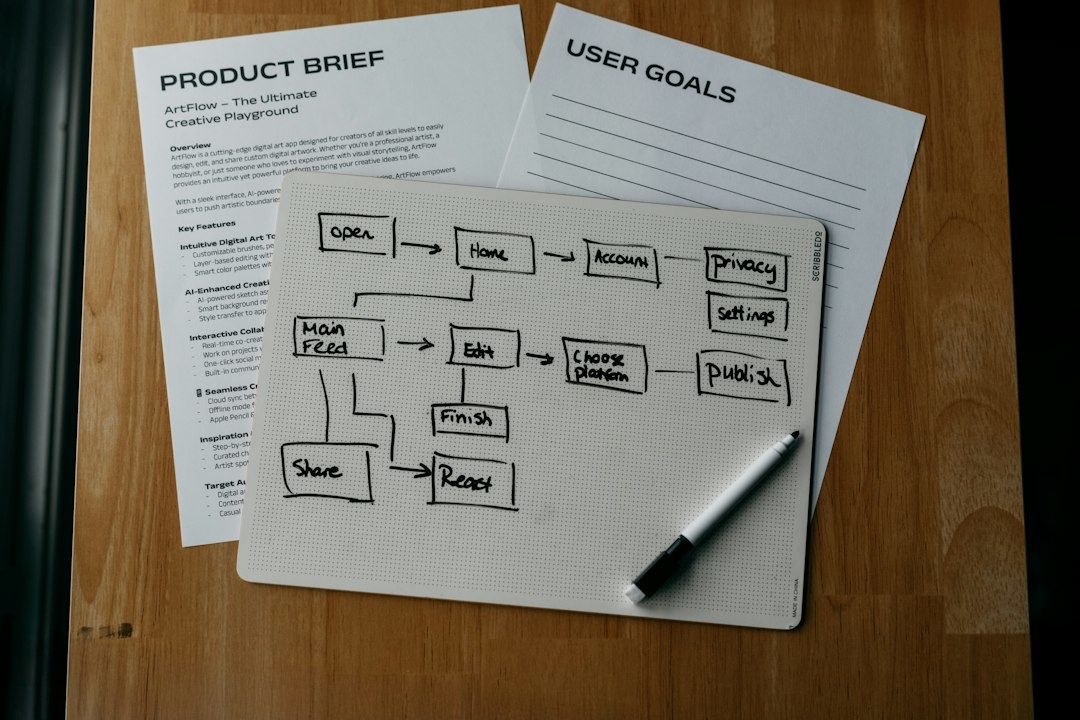
Email automation tools nurture leads consistently without manual effort, keeping prospects engaged as they move naturally through funnel stages.
Funnels for Service Versus Product Businesses
Service businesses often emphasize consultations and trust-building content, while product funnels focus more heavily on reviews and comparison content.
FAQ
Do small businesses need a formal sales funnel?
Yes, even informally, understanding where prospects are in their decision process helps small businesses craft more effective, timely marketing.
What tools help build a sales funnel?
Platforms like ClickFunnels, HubSpot, and even simple email marketing tools like Mailchimp can effectively support basic funnel structures.
How long does a typical sales funnel take to convert?
Conversion timelines vary widely by industry and price point, ranging from same-day purchases to multi-month enterprise sales cycles.
Conclusion
Mapping your specific customer journey, rather than copying a generic funnel template, produces marketing that actually resonates with real prospects.
Common Funnel Leaks to Fix
Weak calls-to-action, confusing checkout processes, and insufficient follow-up after initial interest all cause prospects to drop out prematurely.
Measuring Funnel Performance
Tracking conversion rates between each stage reveals exactly where prospects are lost, guiding which part of the funnel needs improvement most.